📄 Article 6.4 Mechanism: Methodology Submission
(ข้อกำหนดการยื่นเสนอระเบียบวิธีภายใต้กลไกมาตรา 6.4)
ขั้นตอนและเอกสารสำหรับเสนอระเบียบวิธีใหม่
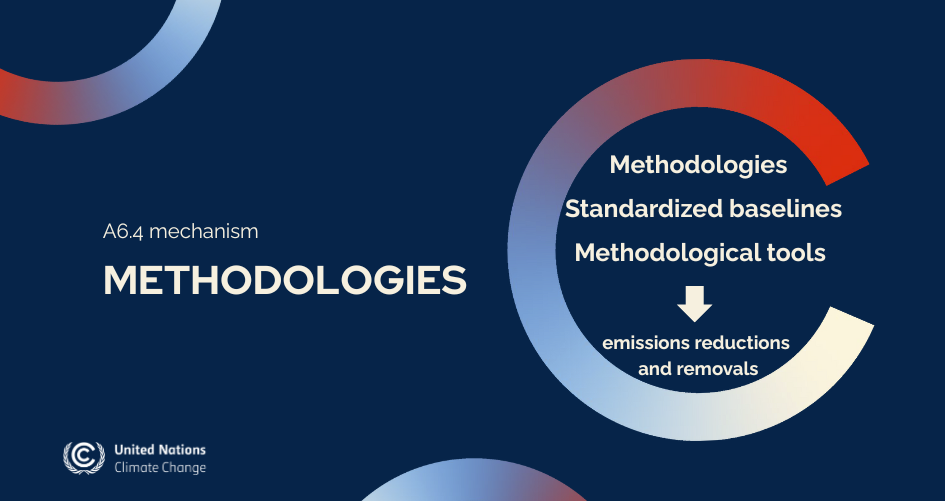
การเสนอระเบียบวิธีใหม่ (Methodology), แนวทางการกำหนด Baseline มาตรฐาน (Standardized Baselines) หรือเครื่องมือระเบียบวิธี (Methodological Tools) ภายใต้กลไก Article 6.4 ต้องเป็นไปตามแนวทางที่คณะกรรมการกำกับดูแล (Supervisory Body) กำหนด โดยมีจุดมุ่งหมายเพื่อนำไปสู่การลดและกักเก็บการปล่อยก๊าซเรือนกระจกที่ตรวจสอบได้จริง
เอกสารที่ต้องใช้ในการยื่นเสนอ
ในการยื่นข้อเสนอระเบียบวิธีใหม่ โปรดจัดเตรียมเอกสารต่อไปนี้ให้ครบถ้วน:
- A6.4-FORM-METH-001. แบบฟอร์มข้อเสนอระเบียบวิธี Baseline และการติดตาม หรือเครื่องมือระเบียบวิธีใหม่: Word | PDF
- A6.4-FORM-METH-002. แบบฟอร์มระเบียบวิธีหรือเครื่องมือระเบียบวิธีใหม่ที่เสนอ: Word | PDF
- A6.4-FORM-AC-020. แบบฟอร์มเอกสารการออกแบบโครงการ (PDD) สำหรับโครงการที่วางแผนไว้: Word | PDFหรือA6.4-FORM-AC-041. แบบฟอร์มเอกสารการออกแบบโครงการกิจกรรม (PoA-DD) สำหรับ PoAs ที่วางแผนไว้: Word | PDF
English Version: Methodology Submission Requirements
The submission of a new **Methodology**, **Standardized Baseline**, or **Methodological Tool** under the **Article 6.4 mechanism** must adhere to the guidance provided by the Supervisory Body, ensuring it leads to credible and verifiable emissions reductions and removals.
Required documents
To submit your proposal, please complete the following documentation:
- A6.4-FORM-METH-001. New baseline and monitoring methodology or methodological tool proposal form: Word | PDF
- A6.4-FORM-METH-002. Proposed new methodology or methodological tool form: Word | PDF
- A6.4-FORM-AC-020. Project design document (PDD) form for planned projects: Word | PDF orA6.4-FORM-AC-041. Programme of Activities design document (PoA-DD) form for planned PoAs: Word | PDF
🎯 For more details, please consult the official UNFCCC A6.4 website.
A6.4-Document for ECT Standard
Referance.
ECT – Article 6.4 Compatibility Report
สรุปแนวทางการปรับมาตรฐาน ECT (ETM Carbon Trade) ให้สอดคล้องกับ Article 6.4 ของ Paris Agreement
Summary of ECT alignment roadmap with Article 6.4
ภาพรวม (Overview)
ไทย — รายงานฉบับนี้สรุปขั้นตอนสำคัญในการปรับมาตรฐาน ECT ให้เชื่อมโยงกับกลไก Article 6.4 ของ Paris Agreement
EN — This report summarizes the key steps to align ECT standard with the Article 6.4 mechanism.
เป้าหมาย (Objective)
- ไทย: ทำให้โครงการภายใต้มาตรฐาน ECT สามารถออก A6.4ERs ได้
- EN: Enable ECT projects to issue A6.4ER units under the Article 6.4 registry.
ขั้นตอนเชิงปฏิบัติ (Practical Steps)
1. ยืนยันสถานะผู้พัฒนาโครงการ (Project Developer)
- TH — เน้นย้ำความสามารถในการดำเนินงาน: ผู้พัฒนาโครงการ (เช่น ETM Group) ต้องจัดเตรียมเอกสารยืนยันสถานะทางกฎหมายของบริษัท ประสบการณ์ในการพัฒนาโครงการคาร์บอนเครดิต (Project Portfolio) และประวัติโดยย่อ (CVs) ของทีมงานด้านเทคนิคที่เกี่ยวข้อง เพื่อแสดงให้คณะกรรมการกำกับดูแล (Supervisory Body) เห็นถึงศักยภาพด้านการบริหารจัดการ งบประมาณ และเทคนิคที่เพียงพอในการดำเนินโครงการในระยะยาว
- EN — Highlight operational capability: Project developers (such as ETM Group) must provide documentation confirming the company’s legal status, experience in developing carbon credit projects (Project Portfolio), and CVs of the relevant technical teams to demonstrate to the Supervisory Body the sufficient management, budgetary, and technical capabilities to execute the project over the long term.
2. Crosswalk: ECT ⇄ Article 6.4
- TH — การวิเคราะห์ช่องว่าง (Gap Analysis) และการปรับมาตรฐาน: เป็นขั้นตอนทางเทคนิคที่สำคัญที่สุดในการเปรียบเทียบข้อกำหนดของ มาตรฐาน ECT กับ กฎเกณฑ์ รูปแบบ และขั้นตอนปฏิบัติ (RMPs) ของ A6.4 (เช่น A6.4 Standard) ต้องวิเคราะห์อย่างละเอียดว่าข้อกำหนดด้าน Baseline, Additionality, Permanence, MRV, และ Safeguards ของ ECT นั้น บรรลุหรือเข้มงวดกว่า ข้อกำหนดของ A6.4 หรือไม่ หากมีช่องว่าง ต้องระบุแผนการปรับปรุงแก้ไข (Alignment Roadmap)
- EN — Gap Analysis and Standardization: This is the most important technical step in comparing the requirements of the ECT Standard with the Rules, Models and Procedures (RMPs) of A6.4 (i.e., the A6.4 Standard). A detailed analysis must be done to determine whether the ECT Baseline, Additionality, Permanence, MRV, and Safeguards requirements of A6.4 meet or surpass the requirements of A6.4. If gaps exist, an Alignment Roadmap must be identified.
3. ติดต่อ PACM / UNFCCC
- TH — การสื่อสารอย่างเป็นทางการ: ผู้พัฒนาโครงการต้องส่งคำถามเบื้องต้น (Initial Inquiry) ไปยังสำนักเลขาธิการของกลไก A6.4 (PACM Support Team) โดยแนบเอกสารสรุป (เช่น ECT–A6.4 Compatibility Report ฉบับย่อ) เพื่อขอคำแนะนำเฉพาะเจาะจงเกี่ยวกับการขึ้นทะเบียนและแนวทางการประเมินมาตรฐานที่เสนอ
- EN — Formal communication: Project developers must submit an Initial Inquiry to the A6.4 Mechanism Secretariat (PACM Support Team) with a summary document (e.g., a shortened ECT–A6.4 Compatibility Report) to request specific guidance on the registration and assessment of the proposed standard.
4. ประสานงานกับหน่วยงานประเทศ (National Authority)
- TH — การขออนุมัติจากประเทศเจ้าบ้าน (Host Party Authorization): เป็นข้อกำหนดที่สำคัญที่สุดภายใต้ Article 6 ผู้พัฒนาโครงการต้องได้รับ Letter of Approval (LoA) อย่างเป็นทางการจากหน่วยงานระดับประเทศที่รับผิดชอบ (เช่น ONEP ในประเทศไทย) เพื่อยืนยันว่าโครงการสนับสนุนการบรรลุเป้าหมาย NDC ของประเทศ และระบุการตัดสินใจเกี่ยวกับ Corresponding Adjustment (CA) (การปรับปรุงบัญชีการลดก๊าซฯ ระหว่างประเทศ)
- EN — Host Party Authorization: This is the most important requirement under Article 6. The project developer must obtain a formal Letter of Approval (LoA) from the responsible national authority (e.g. ONEP in Thailand) to confirm that the project supports the achievement of the country’s NDC targets and to indicate the decision on the Corresponding Adjustment (CA) (adjustment of the International Carbon Dioxide Reduction Account).
5. Validation, Registration, Verification
- เลือก DOE ตรวจสอบ PDD และยื่นขึ้นทะเบียนกับ PACM
- Select DOE, validate, and register project
6. Issuance & Market Integration
- หลัง verification จะได้รับ A6.4ER units เพื่อซื้อขายได้ในตลาดโลก
- After verification, A6.4ERs become tradable internationally
เอกสารที่แนะนำให้เตรียม (Recommended Documents)
| ไทย | EN |
|---|---|
| หลักฐานความน่าเชื่อถือทางกฎหมายและการเงิน: ประกอบด้วยสำเนาเอกสารจดทะเบียนบริษัท งบการเงิน (เพื่อพิสูจน์ความมั่นคงทางการเงิน) และสรุปประสบการณ์ในการดำเนินงานโครงการที่เกี่ยวข้องกับสิ่งแวดล้อมหรือคาร์บอนเครดิต | Evidence of legal and financial credibility: This includes copies of company registration documents, financial statements (to prove financial stability), and a summary of experience in operating environmental or carbon credit-related projects. |
| พิมพ์เขียวของโครงการ: เป็นเอกสารหลักที่ใช้ในการขอขึ้นทะเบียนโครงการ (Registration) ต้องจัดทำตามแบบฟอร์ม A6.4-FORM-AC-020 ของ UNFCCC โดยมีรายละเอียดครบถ้วน ทั้งขอบเขตโครงการ (Boundary), การพิสูจน์ความเป็นจริง (Additionality), การคำนวณ Baseline, การประเมิน Leakage, และผลกระทบด้านสิ่งแวดล้อมและสังคม | Project Blueprint: This is the primary document used in applying for project registration. It must be prepared according to UNFCCC Form A6.4-FORM-AC-020 and must contain complete details including project scope (Boundary), Additionality (Additionality), Baseline calculation, Leakage assessment, and environmental and social impacts. |
| รายงานการวิเคราะห์การเปรียบเทียบมาตรฐาน: เป็นเอกสารทางเทคนิคที่จัดทำขึ้นโดย ETM Group เพื่อแสดงผลการวิเคราะห์ในขั้นตอนที่ 2 ว่ามาตรฐาน ECT สอดคล้องหรือบรรลุข้อกำหนดทั้งหมดของ A6.4 อย่างไร โดยเฉพาะด้านความยั่งยืนของการกักเก็บ (Permanence) และความโปร่งใสของข้อมูล | Standards Comparison Analysis Report: This is a technical document prepared by ETM Group to show the results of the second stage analysis on how the ECT Standards comply with or achieve all the requirements of A6.4, particularly on the sustainability of the stockpile (Permanence) and transparency of information. |
| แผนการติดตาม ตรวจสอบ และรายงาน: แผนงานโดยละเอียดที่อธิบายถึงวิธีการเก็บรวบรวมข้อมูลทั้งหมดที่จำเป็นสำหรับการคำนวณการลดก๊าซเรือนกระจก รวมถึงพารามิเตอร์ที่ต้องวัด ความถี่ในการวัด และการใช้เทคโนโลยีดิจิทัล (dMRV) เพื่อให้มั่นใจในความถูกต้องและตรวจสอบย้อนกลับได้ของข้อมูล | Monitoring, Verification and Reporting Plan: A detailed plan describing how all data needed for GHG reduction calculations will be collected, including the parameters to be measured, the frequency of measurement, and the use of digital technologies (dMRV) to ensure data validity and traceability. |
| หลักฐานด้านสังคมและสิ่งแวดล้อม: เอกสารที่แสดงว่าโครงการได้ปฏิบัติตาม มาตรการป้องกันและคุ้มครอง (Safeguards) ด้านสิ่งแวดล้อมและสังคมอย่างเคร่งครัด (เช่น การปรึกษาหารือผู้มีส่วนได้ส่วนเสีย, การจัดการข้อร้องเรียน) พร้อมทั้งระบุและพิสูจน์ว่าโครงการมีส่วนช่วยในการบรรลุ เป้าหมายการพัฒนาที่ยั่งยืน (SDGs) ใดบ้าง (Co-benefits) | Social and environmental evidence: Documentation demonstrating that the project has strictly adhered to environmental and social safeguards (e.g. stakeholder consultations, complaints management) and identifying and demonstrating which co-benefits the project contributes to achieving the Sustainable Development Goals (SDGs). |
ตัวอย่างข้อความสำหรับติดต่อ PACM / UNFCCC (Contact Template)
ภาษาอังกฤษ (EN)
Subject: Inquiry about Article 6.4 registration and ECT standard alignment
Dear PACM Support Team,
We are ETM Group (Thailand)… Please advise required documents and procedures.
(Attachment: ECT–A6.4 compatibility report, PDD CMARK-4)
ภาษาไทย (TH)
เรื่อง: สอบถามการขึ้นทะเบียน Article 6.4 และการเชื่อมโยงมาตรฐาน ECT
เรียน ทีม PACM Support,
บริษัท ETM Group (Thailand) ขอคำแนะนำการนำมาตรฐาน ECT ไปเชื่อมโยงกับ Article 6.4 พร้อมแนบรายงาน ECT–A6.4 Compatibility Report และ PDD (CMARK-4)
แหล่งอ้างอิง / Project Reference
Project: CMARK-4 – Carbonmark
🌿 ECT Standard & Article 6.4 Compatibility Inquiry
(สอบถามการเข้าร่วมภายใต้มาตรฐาน ECT และกลไก Article 6.4)
เรียน ทีมสนับสนุน PACM (PACM Support Team),
ข้าพเจ้าต้องการสอบถามเกี่ยวกับขั้นตอนการนำ มาตรฐาน ECT (ETM Carbon Trade) เข้าร่วมกับกลไก Article 6.4 ภายใต้ UNFCCC ว่ามีวิธีดำเนินการอย่างไรบ้าง จำเป็นต้องส่งเอกสารหรือดำเนินการในรูปแบบใด เพื่อให้เป็นไปตามขั้นตอนที่ถูกต้องตามระบบของท่าน
ขอคำแนะนำเพิ่มเติมเกี่ยวกับการเชื่อมโยงหรือการขอการรับรอง (Accreditation) สำหรับองค์กรภาคเอกชนที่พัฒนาโครงการคาร์บอนเครดิตในประเทศไทยด้วยครับ
ขอขอบพระคุณล่วงหน้าสำหรับความอนุเคราะห์และคำแนะนำ
ด้วยความเคารพอย่างสูง,
ETM Group (Thailand)
🌐 www.etmcarbontrade.com
English Version
Dear PACM Support Team,
I would like to inquire about the procedures for aligning the ECT Standard (ETM Carbon Trade) with the Article 6.4 mechanism under the UNFCCC.
Could you please advise what documentation or steps are required to participate or register under your system?
Additionally, we would appreciate guidance on the process of accreditation or recognition for private-sector project developers in Thailand working on carbon credit projects.
Thank you very much for your kind assistance and guidance.
Sincerely,
ETM Group (Thailand)
🌐 www.etmcarbontrade.com
🌿 ECT–A6.4-ARR-001 Methodology
Reforestation and Rubber Plantation Carbon Credit Methodology using Blockchain and dMRV System
A. Background and Objectives / ภูมิหลังและวัตถุประสงค์
EN: This methodology, developed by ETM Group (Thailand), provides a comprehensive framework for quantifying, monitoring, and verifying greenhouse gas (GHG) removals from reforestation and sustainable rubber plantation activities under the Article 6.4 mechanism. It integrates ECT Standard compliance, digital MRV (dMRV) monitoring, and blockchain traceability to guarantee transparent, verifiable, and tamper-proof carbon credit issuance.
Objectives include:
- Maximizing carbon sequestration while preserving soil fertility and ecological balance.
- Conserving biodiversity through multi-species planting and habitat protection.
- Ensuring stakeholder engagement in project planning, monitoring, and benefit-sharing.
- Providing reliable and traceable records for carbon credit issuance, trading, and retirement.
- Establishing a replicable methodology for rubber plantation projects across tropical regions.
TH: แนวทางนี้พัฒนาโดยบริษัท ETM Group (ประเทศไทย) เพื่อสร้างกรอบการคำนวณ ติดตาม และตรวจสอบการลดและกักเก็บก๊าซเรือนกระจกจากกิจกรรมการปลูกป่าและสวนยางพารา ภายใต้มาตรา 6.4 โดยผสานการปฏิบัติตามมาตรฐาน ECT ระบบ dMRV และเทคโนโลยีบล็อกเชน เพื่อให้มั่นใจว่า การออกคาร์บอนเครดิตโปร่งใส ตรวจสอบได้ และไม่สามารถแก้ไขข้อมูลย้อนหลังได้
วัตถุประสงค์หลัก:
- เพิ่มการกักเก็บคาร์บอนโดยไม่ทำลายความอุดมสมบูรณ์ของดินและสมดุลทางนิเวศวิทยา
- รักษาความหลากหลายทางชีวภาพโดยการปลูกหลายสายพันธุ์และคงที่อยู่อาศัยของสัตว์ป่า
- สร้างการมีส่วนร่วมของผู้มีส่วนได้ส่วนเสียในการวางแผน การติดตาม และการแบ่งปันผลประโยชน์
- จัดทำบันทึกที่น่าเชื่อถือและตรวจสอบได้สำหรับการออกคาร์บอนเครดิต การซื้อขาย และการยกเลิก
- สร้างแนวทางที่สามารถทำซ้ำได้สำหรับโครงการสวนยางในเขตร้อน
B. Applicability Conditions / เงื่อนไขการประยุกต์ใช้
EN: This methodology applies to:
- ARR Projects: Afforestation, Reforestation, and Revegetation using rubber trees (Hevea brasiliensis).
- Non-forest land: Areas not classified as forest for at least 10 years prior to project initiation.
- Sustainable agroforestry: Mixed-crop, multi-strata, or intercropped systems that enhance biodiversity and soil health.
- Blockchain integration: Activities using blockchain-based records for land registration, carbon monitoring, and transactions to ensure data integrity.
- ECT Standard compliance: Full adherence to ECT principles for carbon accounting, social safeguards, environmental integrity, and verification procedures.
TH: วิธีการนี้ใช้ได้กับ:
- โครงการ ARR: ปลูกป่า ป่าฟื้นฟู และเพิ่มความเขียวขจี โดยใช้ต้นยางพารา (Hevea brasiliensis)
- พื้นที่ไม่เป็นป่า: พื้นที่ที่ไม่ได้จัดเป็นป่ามาอย่างน้อย 10 ปีก่อนเริ่มโครงการ
- เกษตรป่าไม้แบบยั่งยืน: ระบบพืชผสม หลายชั้น หรือพืชร่วมที่ช่วยเพิ่มความหลากหลายทางชีวภาพและคุณภาพดิน
- ผสานบล็อกเชน: ใช้บันทึกข้อมูลบนบล็อกเชนสำหรับลงทะเบียนพื้นที่ ติดตามคาร์บอน และทำธุรกรรม เพื่อให้ข้อมูลไม่สามารถแก้ไขได้
- ปฏิบัติตามมาตรฐาน ECT: ปฏิบัติตามหลักเกณฑ์ ECT ด้านบัญชีคาร์บอน มาตรการสังคม การปกป้องสิ่งแวดล้อม และขั้นตอนการตรวจสอบ
C. Baseline Scenario and Emission Reduction Calculation / สถานการณ์พื้นฐานและการคำนวณการลดการปล่อยก๊าซ
EN: The baseline scenario represents land without project intervention, typically degraded or non-forest land. Carbon stock estimation applies allometric equations, IPCC Tier 2 default factors, and ECT-specific adjustments to account for local ecological conditions.
สูตรหลักสำหรับการคำนวณ:
ERy = (Cp,y – Cb,y) * 44/12
โดยที่:
ER_y: การลด/กักเก็บการปล่อยก๊าซเรือนกระจกสุทธิในปี y (tCO2e)
Cp,y: ปริมาณคาร์บอนที่กักเก็บ (Carbon Stock) เมื่อดำเนินโครงการในปี y (tC)
Cb,y: ปริมาณคาร์บอนที่กักเก็บ (Carbon Stock) ในสถานการณ์พื้นฐาน (Baseline) หรือไม่มีโครงการในปี y (tC)
44/12: อัตราส่วนการแปลงจากน้ำหนักคาร์บอน (C) เป็นคาร์บอนไดออกไซด์เทียบเท่า (CO2e)
Expanded Details under ECT Standard:
- Above-ground biomass: Measured using permanent sample plots and high-resolution remote sensing, applying species-specific allometric models.
- Below-ground biomass: Calculated using root-to-shoot ratios and verified with soil coring.
- Soil carbon: Annual sampling to 30 cm depth, adjusted for bulk density and soil type.
- Dead organic matter and litter: Included using decay rate models to estimate long-term carbon storage.
- Leakage and additionality: Adjustments made for carbon displacement, project scalability, and conservative estimation to ensure real emission reductions.
- Uncertainty analysis: Statistical models applied to quantify measurement uncertainty and error propagation.
TH: สถานการณ์พื้นฐานคือพื้นที่ที่ไม่มีการดำเนินโครงการ เช่น พื้นที่เสื่อมโทรมหรือไม่เป็นป่า การประเมินคาร์บอนใช้สมการชีวมวล ค่ามาตรฐาน IPCC Tier 2 และปรับตามมาตรฐาน ECT เพื่อคำนึงถึงสภาพนิเวศท้องถิ่น
สมการ:
ERy = (Cp,y – Cb,y) * 44/12
รายละเอียดขยายตามมาตรฐาน ECT:
- ชีวมวลเหนือดิน: วัดจากแปลงตัวอย่างถาวรและภาพดาวเทียมความละเอียดสูง โดยใช้สมการเฉพาะสายพันธุ์
- ชีวมวลใต้ดิน: คำนวณจากอัตราส่วนรากต่อยอด และตรวจสอบด้วยการเจาะดิน
- คาร์บอนในดิน: เก็บตัวอย่างทุกปีถึงความลึก 30 ซม. ปรับตามความหนาแน่นและชนิดดิน
- เศษชีวภาพและใบไม้ร่วง: รวมคำนวณตามอัตราการย่อยสลายเพื่อประเมินการเก็บคาร์บอนระยะยาว
- Leakage และความเป็นจริง: ปรับลดคาร์บอนสำหรับการเลื่อนกิจกรรมและคาดการณ์อย่างอนุรักษ์นิยมเพื่อให้เกิดการลดการปล่อยจริง
- การวิเคราะห์ความไม่แน่นอน: ใช้โมเดลสถิติในการประเมินความไม่แน่นอนและความคลาดเคลื่อน
D. Monitoring Parameters (dMRV System) / พารามิเตอร์การตรวจวัด (ระบบ dMRV)
EN: Monitoring is performed using a comprehensive digital MRV system fully aligned with ECT Standard:
- Remote sensing & GIS: NDVI, biomass changes, land cover classification, and time-series analysis.
- Field verification: Permanent sample plots, IoT sensors for soil moisture, growth tracking, and drones for high-resolution surveys.
- Blockchain ledger: Immutable records for land registration, carbon stocks, growth data, and credit transactions, ensuring transparency and auditability.
- Annual verification: External auditors conduct site visits and verify data quality against ECT requirements.
- Data management & reporting: ETM dMRV Dashboard provides dashboards and analytics for carbon, biodiversity, social, and environmental indicators.
- Continuous improvement: Automated alerts for anomalies, early warning of potential risks, and feedback for adaptive project management.
TH: การตรวจวัดใช้ระบบ dMRV ดิจิทัลที่ครอบคลุมและสอดคล้องกับมาตรฐาน ECT:
- ภาพถ่ายดาวเทียม & GIS: NDVI, การเปลี่ยนแปลงชีวมวล, การจำแนกประเภทพื้นที่, และการวิเคราะห์ตามช่วงเวลา
- ตรวจภาคสนาม: แปลงตัวอย่างถาวร, เซ็นเซอร์ IoT สำหรับความชื้นในดิน, การติดตามการเจริญเติบโต, โดรนสำหรับสำรวจความละเอียดสูง
- บล็อกเชน: บันทึกไม่สามารถแก้ไขสำหรับการลงทะเบียนพื้นที่, ปริมาณคาร์บอน, ข้อมูลการเจริญเติบโต, และธุรกรรมเครดิตเพื่อความโปร่งใสและตรวจสอบได้
- การตรวจสอบประจำปี: ผู้ตรวจสอบภายนอกเยี่ยมไซต์และตรวจสอบคุณภาพข้อมูลตามข้อกำหนด ECT
- การจัดการข้อมูล & การรายงาน: ETM dMRV Dashboard แสดงดัชนีและวิเคราะห์คาร์บอน ความหลากหลายทางชีวภาพ สังคม และสิ่งแวดล้อม
- การปรับปรุงต่อเนื่อง: ระบบแจ้งเตือนอัตโนมัติสำหรับความผิดปกติ เตือนความเสี่ยงล่วงหน้า และให้ข้อเสนอแนะสำหรับการจัดการโครงการเชิงปรับตัว
E. Environmental and Social Safeguards / การป้องกันผลกระทบสิ่งแวดล้อมและสังคม
EN: ECT Standard requires comprehensive safeguards:
- Biodiversity protection: Promote multi-species plantations, conserve native flora and fauna, establish buffer zones and wildlife corridors.
- Soil conservation: Implement erosion control, cover cropping, minimum tillage, and organic amendments to maintain fertility.
- Water resources management: Ensure sustainable water use, prevent contamination, and monitor hydrological impacts.
- Community engagement: Conduct stakeholder consultations, participatory planning, benefit-sharing mechanisms, and grievance redress systems.
- Legal compliance: Full adherence to Thai forestry, land, and environmental laws.
- Risk management: Identify environmental, social, and climate risks and apply mitigation and adaptive measures.
- Continuous monitoring: Track potential unintended impacts, ensure adaptive responses, and report to ETM and relevant authorities.
TH: มาตรฐาน ECT กำหนดมาตรการป้องกันที่ครอบคลุม:
- การปกป้องความหลากหลายทางชีวภาพ: ส่งเสริมการปลูกหลายสายพันธุ์, รักษาพืชและสัตว์พื้นเมือง, จัดเขตกันชนและทางเดินสัตว์ป่า
- การอนุรักษ์ดิน: ใช้มาตรการป้องกันการชะล้าง, ปลูกพืชคลุมดิน, การไถน้อย, และใส่วัตถุปรับปรุงอินทรีย์เพื่อรักษาความอุดมสมบูรณ์
- การจัดการทรัพยากรน้ำ: ใช้น้ำอย่างยั่งยืน, ป้องกันมลพิษ, และติดตามผลกระทบต่อระบบน้ำ
- การมีส่วนร่วมของชุมชน: จัดประชุมปรึกษาผู้มีส่วนได้ส่วนเสีย, วางแผนเชิงมีส่วนร่วม, แบ่งปันผลประโยชน์ และจัดระบบร้องเรียน
- การปฏิบัติตามกฎหมาย: ปฏิบัติตามกฎหมายป่าไม้, ที่ดิน และสิ่งแวดล้อมของไทย
- การจัดการความเสี่ยง: ระบุความเสี่ยงด้านสิ่งแวดล้อม สังคม และภูมิอากาศ และใช้มาตรการบรรเทาและปรับตัว
- การติดตามต่อเนื่อง: ตรวจผลกระทบที่ไม่คาดคิด, รับมือเชิงปรับตัว, และรายงานต่อ ETM และหน่วยงานที่เกี่ยวข้อง
F. Alignment with SDGs / ความสอดคล้องกับเป้าหมาย SDGs
EN: This methodology directly supports Sustainable Development Goals (SDGs):
- SDG 13: Climate Action – mitigates GHG emissions and enhances carbon sinks.
- SDG 15: Life on Land – promotes forest restoration, biodiversity, and ecosystem resilience.
- SDG 8: Decent Work and Economic Growth – creates sustainable employment in rubber plantations and related value chains.
- SDG 17: Partnerships for the Goals – fosters collaboration between local communities, government, and international carbon markets.
TH: วิธีการนี้สนับสนุนเป้าหมายการพัฒนาที่ยั่งยืน (SDGs) โดยตรง:
- SDG 13: การรับมือการเปลี่ยนแปลงสภาพภูมิอากาศ – ลดก๊าซเรือนกระจกและเพิ่มแหล่งกักเก็บคาร์บอน
- SDG 15: การใช้ชีวิตบนบก – ส่งเสริมการฟื้นฟูป่า ความหลากหลายทางชีวภาพ และความยืดหยุ่นของระบบนิเวศ
- SDG 8: Decent Work and Economic Growth – สร้างงานที่ยั่งยืนในสวนยางพาราและห่วงโซ่คุณค่าที่เกี่ยวข้อง
- SDG 17: ความร่วมมือเพื่อเป้าหมาย – ส่งเสริมความร่วมมือระหว่างชุมชนท้องถิ่น รัฐบาล และตลาดคาร์บอนระหว่างประเทศ
G. Validation and Verification / การรับรองและการตรวจสอบ
EN: Validation and verification must be conducted by independent third-party entities accredited by the ECT Standard. The process involves:
- Initial Validation: Verifying the project design document (PDD), baseline scenario, methodology application, and compliance with all ECT requirements (environmental, social, and legal). The validation ensures the project’s additionality, permanence, and conservative estimation.
- Periodic Verification: Annual or biennial verification of the monitored data (from the dMRV system) against the PDD and ECT criteria. This includes on-site visits, data integrity checks (cross-referencing dMRV/blockchain records with field data), carbon stock measurements, and assessment of safeguard compliance.
- Blockchain Traceability: The verifier must audit the blockchain ledger to confirm the immutability and accuracy of all recorded carbon stock and transaction data.
- Issuance: Upon successful verification, the ECT Standard issues verified carbon credits (VCCs) with metadata detailing the project type, vintage, and associated environmental and social co-benefits.
TH: การรับรองและการตรวจสอบจะต้องดำเนินการโดยหน่วยงานอิสระที่สาม ซึ่งได้รับการรับรองโดยมาตรฐาน ECT กระบวนการประกอบด้วย:
- การรับรองเริ่มต้น: ตรวจสอบเอกสารการออกแบบโครงการ (PDD), สถานการณ์พื้นฐาน, การประยุกต์ใช้วิธีการ, และการปฏิบัติตามข้อกำหนด ECT ทั้งหมด (สิ่งแวดล้อม สังคม และกฎหมาย) เพื่อให้มั่นใจในความเป็นจริง, ความยั่งยืน, และการประมาณการอย่างอนุรักษ์นิยมของโครงการ
- การตรวจสอบเป็นระยะ: ตรวจสอบข้อมูลที่ถูกติดตาม (จากระบบ dMRV) เทียบกับ PDD และเกณฑ์ ECT เป็นประจำทุกปีหรือสองปี ซึ่งรวมถึงการเยี่ยมชมไซต์, การตรวจสอบความสมบูรณ์ของข้อมูล (เทียบเคียงข้อมูล dMRV/บล็อกเชนกับข้อมูลภาคสนาม), การวัดปริมาณคาร์บอน, และการประเมินการปฏิบัติตามมาตรการป้องกัน
- การตรวจสอบย้อนกลับด้วยบล็อกเชน: ผู้ตรวจสอบต้องทำการตรวจสอบบัญชีบล็อกเชนเพื่อยืนยันความไม่สามารถแก้ไขได้และความถูกต้องของข้อมูลปริมาณคาร์บอนและข้อมูลธุรกรรมทั้งหมดที่บันทึกไว้
- การออกเครดิต: เมื่อการตรวจสอบประสบความสำเร็จ มาตรฐาน ECT จะออกเครดิตคาร์บอนที่ผ่านการตรวจสอบ (VCCs) พร้อมด้วยข้อมูลเมตาที่ระบุประเภทโครงการ ปีที่ดำเนินการ และผลประโยชน์ร่วมด้านสิ่งแวดล้อมและสังคมที่เกี่ยวข้อง
H. Project Lifetime and Permanence / อายุโครงการและความยั่งยืน
EN:
- Crediting Period: The project’s crediting period is defined as 20 years, renewable twice for a maximum total of 60 years, subject to re-validation and adherence to the latest ECT requirements.
- Permanence: To ensure the long-term storage of sequestered carbon, projects must:
- Risk Buffer: Contribute a percentage of issued carbon credits to the ECT Standard’s central risk buffer pool to cover potential reversals (e.g., from fire or disease). The buffer percentage is determined by a project-specific risk assessment.
- Legal Commitment: Secure long-term land-use rights (minimum 60 years) and sign legally binding agreements committing to maintaining the project’s carbon stocks.
- dMRV Monitoring: Utilize continuous dMRV monitoring to detect and alert any potential carbon stock reversals in real-time, enabling prompt corrective action.
- Sustainable Management: Apply sustainable harvesting and replanting practices that ensure the standing carbon stock is maintained or increased over time.
TH:
- ระยะเวลาเครดิต: ระยะเวลาเครดิตของโครงการถูกกำหนดไว้ที่ 20 ปี และสามารถต่ออายุได้สองครั้ง รวมสูงสุด 60 ปี โดยต้องมีการรับรองใหม่และการปฏิบัติตามข้อกำหนด ECT ล่าสุด
- ความยั่งยืน: เพื่อให้มั่นใจในการเก็บกักคาร์บอนในระยะยาว โครงการต้อง:
- กองทุนสำรองความเสี่ยง: บริจาคเปอร์เซ็นต์ของคาร์บอนเครดิตที่ออกให้กับกองทุนสำรองความเสี่ยงกลางของมาตรฐาน ECT เพื่อครอบคลุมความเสี่ยงที่อาจเกิดขึ้น (เช่น ไฟไหม้หรือโรคระบาด) เปอร์เซ็นต์สำรองจะกำหนดโดยการประเมินความเสี่ยงเฉพาะโครงการ
- พันธะทางกฎหมาย: ได้รับสิทธิการใช้ที่ดินในระยะยาว (ขั้นต่ำ 60 ปี) และลงนามในข้อตกลงที่มีผลผูกพันทางกฎหมายเพื่อรักษาสต็อกคาร์บอนของโครงการ
- การติดตามด้วย dMRV: ใช้การติดตาม dMRV อย่างต่อเนื่องเพื่อตรวจจับและแจ้งเตือนการสูญเสียสต็อกคาร์บอนที่อาจเกิดขึ้นแบบเรียลไทม์ ทำให้สามารถดำเนินการแก้ไขได้อย่างรวดเร็ว
- การจัดการที่ยั่งยืน: ใช้การเก็บเกี่ยวและการปลูกใหม่ที่ยั่งยืน ซึ่งรับประกันว่าสต็อกคาร์บอนที่มีอยู่จะได้รับการบำรุงรักษาหรือเพิ่มขึ้นเมื่อเวลาผ่านไป
I. Conclusion / บทสรุป
EN: This methodology integrates the rigorous standards of the ECT framework with cutting-edge digital monitoring (dMRV) and blockchain technology. It establishes a robust, transparent, and scalable system for generating high-integrity carbon credits from reforestation and sustainable rubber plantation activities. By addressing environmental integrity, social equity, and technology adoption, this approach aims to unlock significant climate finance for tropical land-use projects.
TH: วิธีการนี้ผสานรวมมาตรฐานที่เข้มงวดของกรอบการทำงาน ECT เข้ากับการติดตามดิจิทัล (dMRV) และเทคโนโลยีบล็อกเชนที่ล้ำสมัย โดยได้จัดตั้งระบบที่แข็งแกร่ง โปร่งใส และปรับขนาดได้สำหรับการสร้างคาร์บอนเครดิตที่มีความสมบูรณ์สูงจากกิจกรรมการปลูกป่าและการปลูกยางพาราอย่างยั่งยืน ด้วยการให้ความสำคัญกับความสมบูรณ์ของสิ่งแวดล้อม ความเสมอภาคทางสังคม และการนำเทคโนโลยีมาใช้ แนวทางนี้มีเป้าหมายเพื่อปลดล็อกแหล่งเงินทุนด้านสภาพภูมิอากาศที่สำคัญสำหรับโครงการการใช้ที่ดินในเขตร้อน
📄 A6.4-PROC-METH-001 Procedure Summary
ขั้นตอนการยื่นและพิจารณาระเบียบวิธีใหม่ (Article 6.4 Mechanism)
1. บทนำและวัตถุประสงค์
เอกสารนี้กำหนดชุดขั้นตอนปฏิบัติ (Procedure) สำหรับการพัฒนา การปรับปรุง และการให้ความกระจ่างเกี่ยวกับ **ระเบียบวิธี (Methodologies)** และ **เครื่องมือระเบียบวิธี (Methodological Tools)** ภายใต้กลไก **Article 6.4 (A6.4)** ของ UNFCCC
📊 การบังคับใช้: ขั้นตอนนี้ใช้กับกรณีการพัฒนา/ปรับปรุง/ให้ความกระจ่าง ทั้งแบบ **”Bottom-up”** (เสนอโดยผู้มีส่วนได้ส่วนเสีย) และ **”Top-down”** (ดำเนินการโดย Methodological Expert Panel หรือคณะกรรมการกำกับดูแล)
ผู้มีสิทธิ์ยื่นข้อเสนอ (Bottom-up):
- ผู้เข้าร่วมกิจกรรมของโครงการที่วางแผนไว้
- หน่วยงานประสานงาน/จัดการของ PoA (Programme of Activities)
- ประเทศเจ้าบ้าน (Host Parties)
- หน่วยงานปฏิบัติการที่กำหนด (DOEs) และผู้มีส่วนได้ส่วนเสียอื่น ๆ
2. องค์ประกอบหลักของระเบียบวิธีที่ต้องครอบคลุม
ระเบียบวิธีที่เสนอต้องสอดคล้องกับมาตรฐานที่กำหนดและครอบคลุมองค์ประกอบหลัก ดังนี้:
- ขอบเขตและเงื่อนไขการประยุกต์ใช้: ระบุประเภทกิจกรรม ภูมิภาค หรือเทคโนโลยีที่สามารถนำระเบียบวิธีนี้ไปใช้ได้
- สถานการณ์พื้นฐาน (Baseline Scenario): กำหนดวิธีการระบุและคำนวณการปล่อยก๊าซเรือนกระจกในสถานการณ์ปกติ (Business-as-Usual)
- ความเป็นจริง (Additionality): แสดงให้เห็นว่าการลด/กักเก็บนั้นเป็น **”ส่วนเพิ่มเติม”** ที่จะไม่เกิดขึ้นหากไม่มีกิจกรรมโครงการ
- การคำนวณการลดการปล่อย: กำหนดสูตรและขั้นตอนการคำนวณการลดหรือกักเก็บสุทธิของก๊าซเรือนกระจก
- การตรวจสอบ (Monitoring): กำหนดพารามิเตอร์ วิธีการเก็บข้อมูล ความถี่ และขั้นตอนสำหรับการตรวจสอบและรายงาน
3. ขั้นตอนการเสนอและพิจารณาระเบียบวิธีใหม่ (Bottom-up)
การพิจารณาเป็นไปตามลำดับขั้นตอนที่เข้มงวด ดังนี้:
3.1. การเตรียมเอกสาร (Documentation Preparation)
ผู้เสนอต้องกรอกและยื่นเอกสารที่กำหนด (ลิงก์จากเอกสาร A6.4-PROC-METH-001):
- 📃 A6.4-FORM-METH-001 (Proposal Form)
- 📃 A6.4-FORM-METH-002 (Proposed Methodology Form)
- 📃 A6.4-FORM-AC-020 (PDD) **หรือ** A6.4-FORM-AC-041 (PoA-DD)
3.2. การตรวจสอบความครบถ้วนและการประเมินเบื้องต้น
- **สำนักเลขาธิการ (Secretariat)** ดำเนินการตรวจสอบความครบถ้วนของเอกสาร
- หากไม่ครบถ้วน ผู้เสนอต้องแก้ไขภายใน **14 วัน**
- หากผ่าน จะส่งเข้าสู่การประเมินเบื้องต้นโดย **Methodological Expert Panel (MEP)**
3.3. การประเมินทางเทคนิคโดย MEP
- MEP ประเมินเชิงลึกเกี่ยวกับหลักการทางวิทยาศาสตร์/เทคนิค และการสอดคล้องกับกฎระเบียบ (RMP)
- หากต้องการข้อมูลเพิ่มเติม ผู้เสนอต้องตอบกลับภายใน **30 วัน**
- MEP จัดทำข้อเสนอแนะสำหรับการอนุมัติหรือไม่ (Recommendation)
3.4. การปรึกษาหารือสาธารณะ (Public Consultation)
- ระเบียบวิธีที่เสนอต้องเปิดให้สาธารณชนแสดงความคิดเห็นเป็นเวลาอย่างน้อย **30 วัน**
- ผู้เสนอต้องตอบกลับความคิดเห็นสาธารณะและปรับปรุงระเบียบวิธีตามความเหมาะสม
3.5. การอนุมัติขั้นสุดท้ายโดยคณะกรรมการกำกับดูแล (Supervisory Body)
- คณะกรรมการฯ พิจารณาจากรายงานของ MEP และผลการปรึกษาหารือสาธารณะ
- ผลลัพธ์อาจเป็น **อนุมัติ (Approve)**, **ไม่อนุมัติ (Not Approve)**, หรือ **ส่งกลับไปพิจารณาใหม่ (Refer back)**
English Version: A6.4-PROC-METH-001 Procedure Summary
This document outlines the mandatory **Procedures** for the development, revision, and clarification of **Methodologies** and **Methodological Tools** under the **Article 6.4 (A6.4) Mechanism** of the UNFCCC.
The procedure ensures that all methodologies meet the required standards for **additionality**, **baseline setting**, and **monitoring** before being approved for use in generating A6.4 Emission Reductions (A6.4ERs).
🗃 Key Stages:
- Submission of required forms (METH-001, METH-002, and PDD/PoA-DD).
- Completeness Check and Initial Assessment by the Secretariat.
- In-depth Technical Assessment by the Methodological Expert Panel (**MEP**).
- Minimum 30-day **Public Consultation** period.
- Final Decision (**Approval/Non-approval**) by the Supervisory Body.